Hackathons
Two weekends, two hackathons, two very different problems- radiation exposure for airline crews, and untangling port logistics for shipping pilots.
I’ve done a couple of hackathons over the years, for two very different problems. Here’s both.
NASA Space Apps hackathon
UPDATE: Our team has won the global prize in the category of “Galactic Impact”, quite a surprise and achievement as this has so far been the world’s largest hackathon, with over 25,000 participants in almost 200 cities! Rock on Radaway! As a result we’ve been invited to attend a launch at Kennedy Space Center.
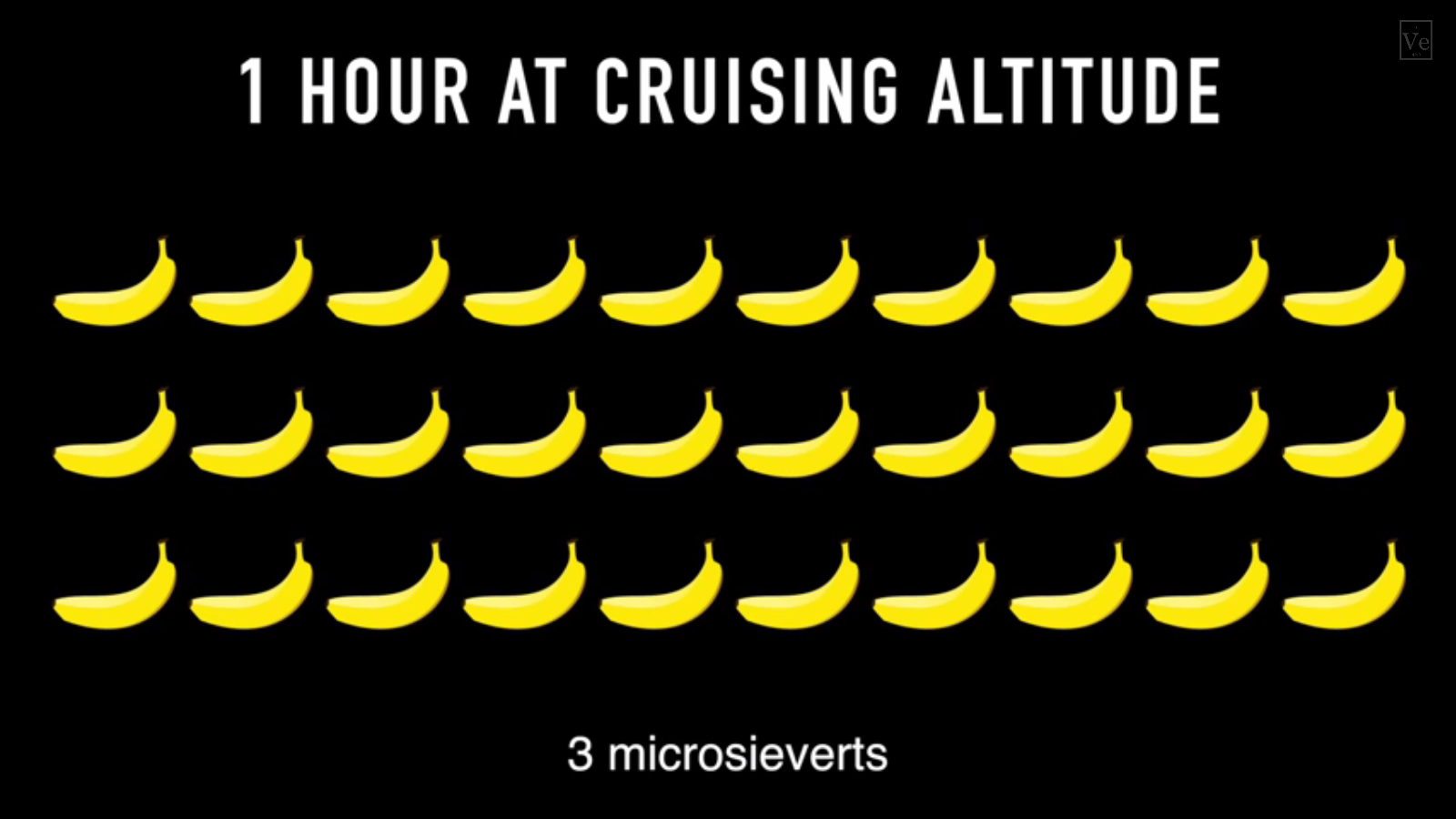
I had the pleasure this long weekend to attend the Singapore instance of the NASA 2017 Space Apps Hackathon. Our team’s proposal to bring in-flight radiation exposure into a meaningful context took first place! We were surprised to learn that airline staff and frequent flyers haven’t considered the effects of ionising radiation on their health. After some user research we found that even after personal reports from within the industry they didn’t have a way of bringing those results into perspective.
You can read more about our solution here:
And check out Moses’ excellent writeup on the UX process:
https://medium.com/@mosesandersonong/b4f408d42286
And we look forward to hearing if we have won the international prize! (because watching a rocket launch at Cape Canaveral would be fantastic!).

MPA Smart Port Hackathon
Two years before Radaway, there was a different hackathon with a different kind of team.
Maritime Port Authority & UP Singapore
Hackathon announcement
I decided it was time to try out a hackathon, something that had always appealed to me. Impressed by the diversity of people there- everyone from data scientists, app developers, designers and shipping industry veterans. The team of 5 that that we formed managed to beat 23 teams and take the runner up prize of $3000, not a bad effort for a first timer!
Our team, Pilot Project proposed a mobile app called PortStat which allows shipping pilots to view the status at their destination berth (e.g. delays, crane status) by accessing existing real-time info. Currently data is siloed and delays are not communicated effectively. Furthermore we were surprised to learn that shipping pilots no longer use old school printed maps, but consumer ipads to access not only the map, but an overlay of the positions and (some) status of other ships.
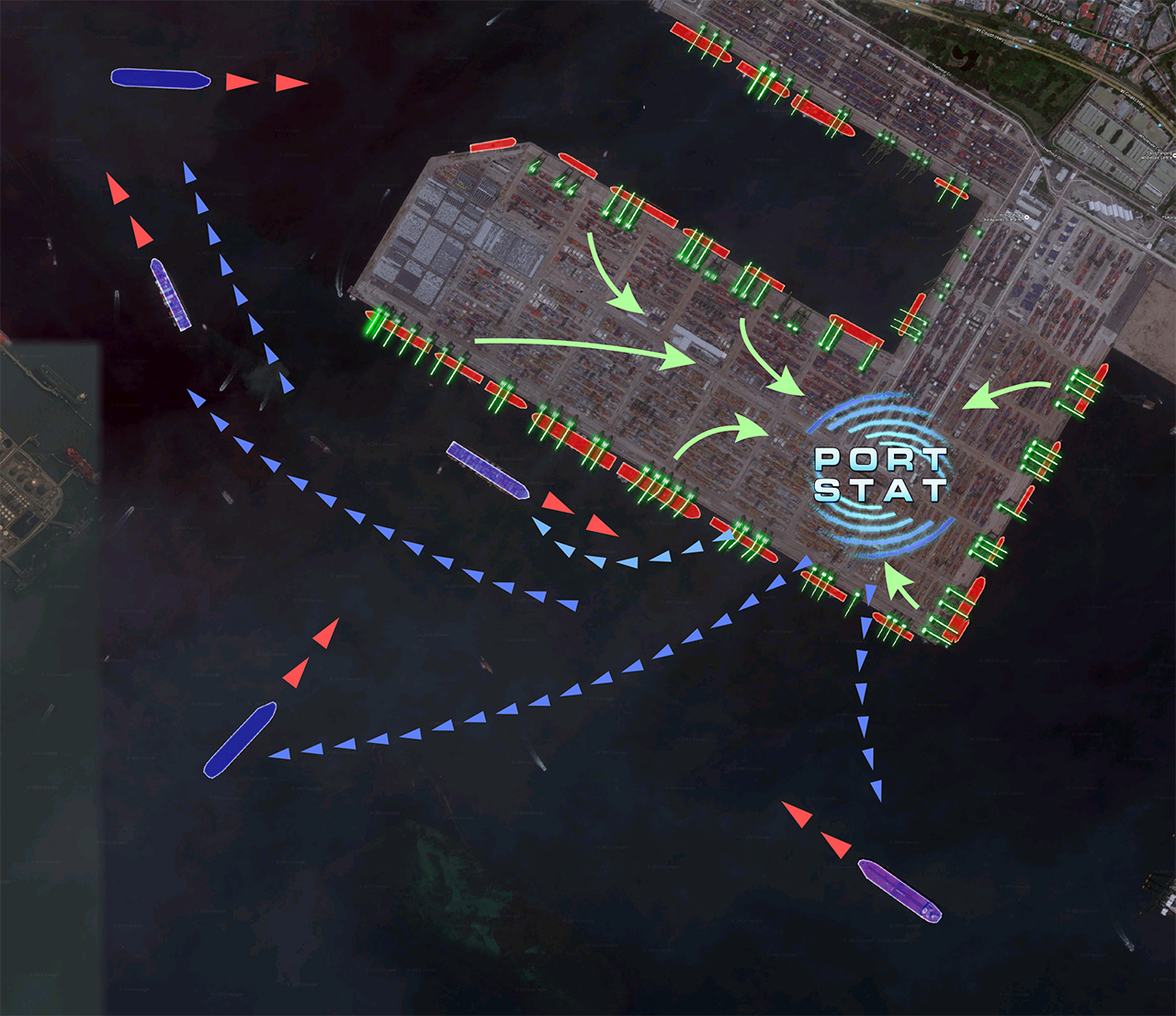
By breaking data out of the compartmentalized silos we could get a clearer picture of what was going on at a berth. Pilots can use this info to re-schedule deployments of pilots and tugs, alter speeds and so on. This allows smarter allocation of pilots, tugs, agents and money.
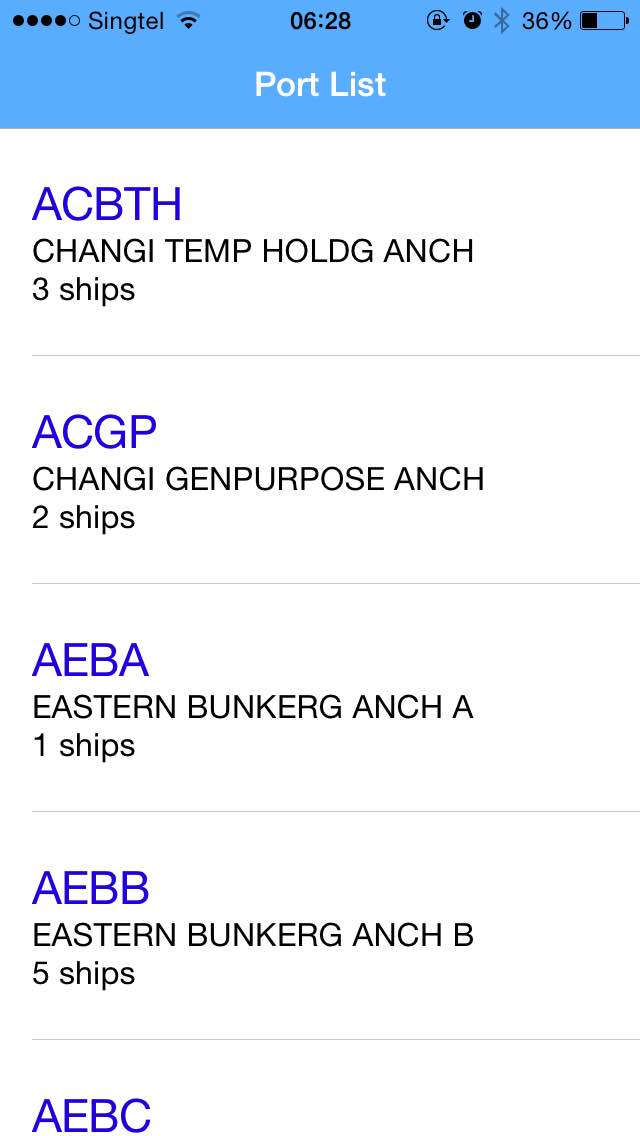
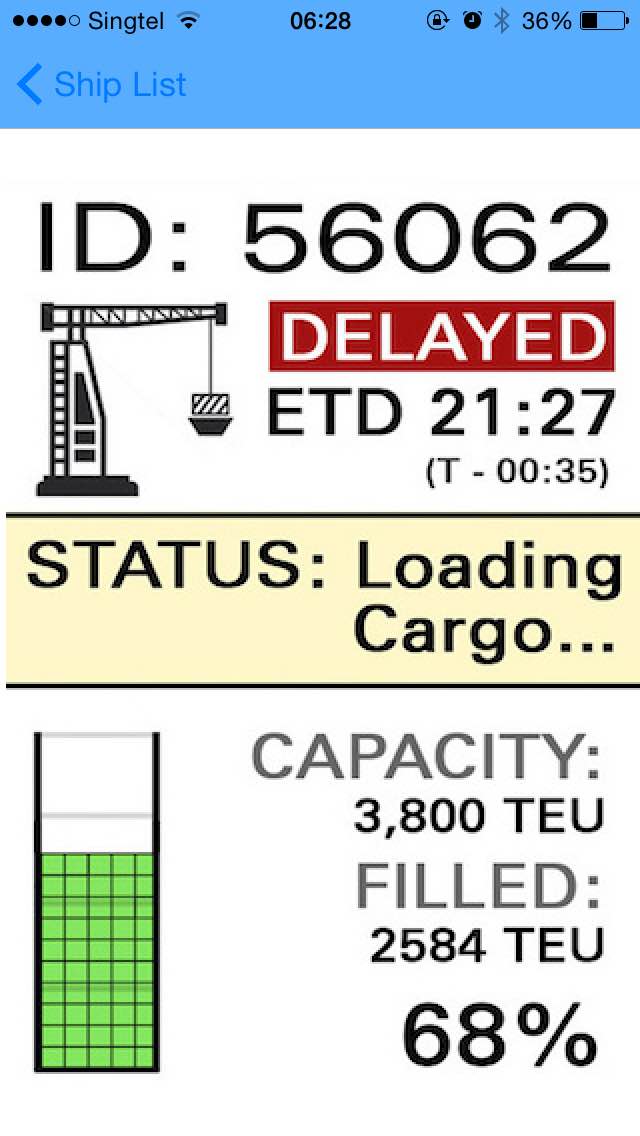
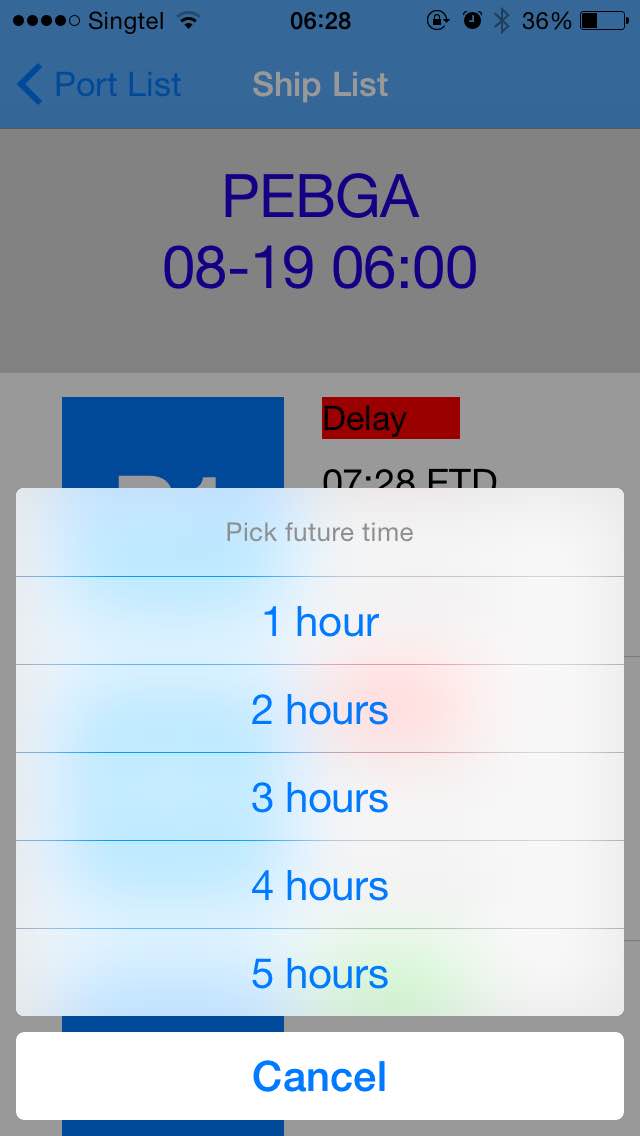
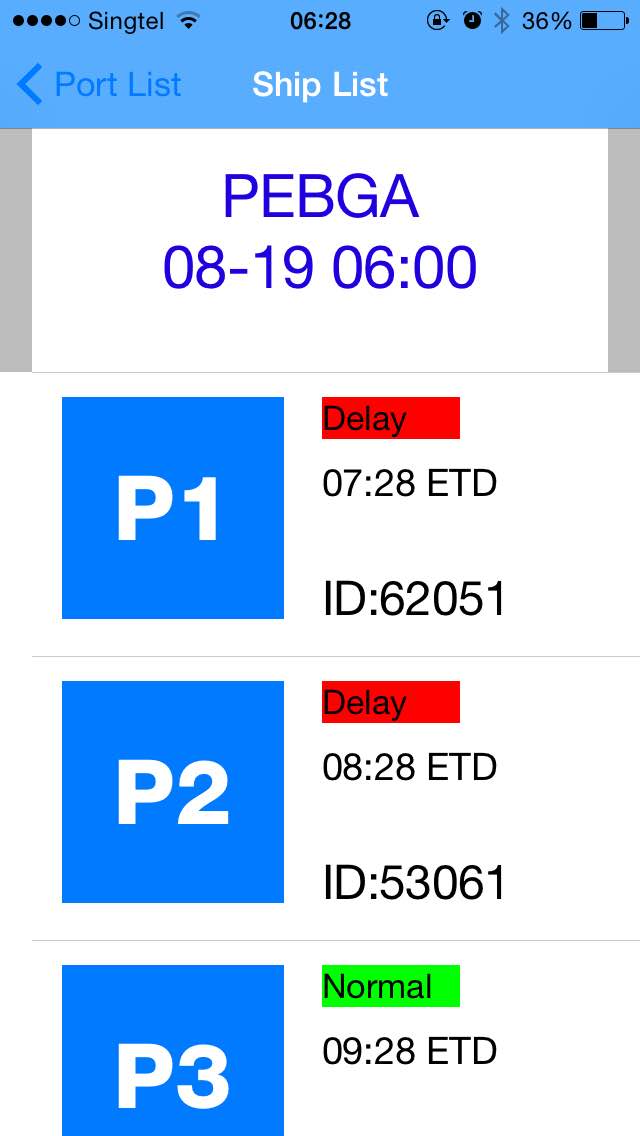
We quantified the cost of delays using the provided datasets, and are currently investigating the possibility of commercialising the concept with existing stakeholders in Singapore’s shipping industry.